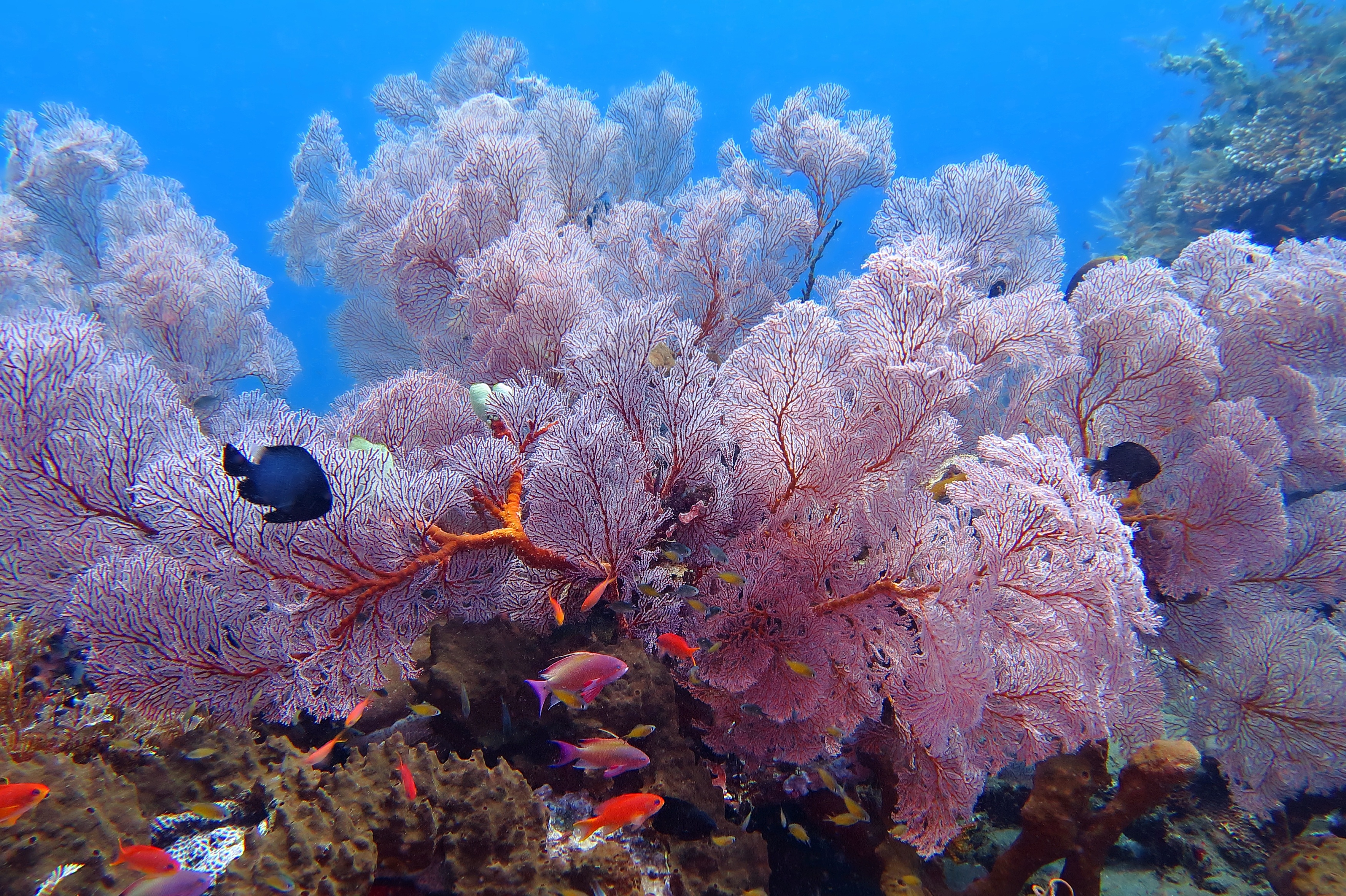
Coral reef
Warm, shallow seas build a layered habitat around coral. Fish, invertebrates, and other marine life depend on its many small spaces for food and shelter.
From coral gardens to northern tundra, every landscape creates a different home for life.
Follow the changing conditions across five habitats. Temperature, water, and plant life shape which species can thrive in each place.
Warm, shallow seas build a layered habitat around coral. Fish, invertebrates, and other marine life depend on its many small spaces for food and shelter.
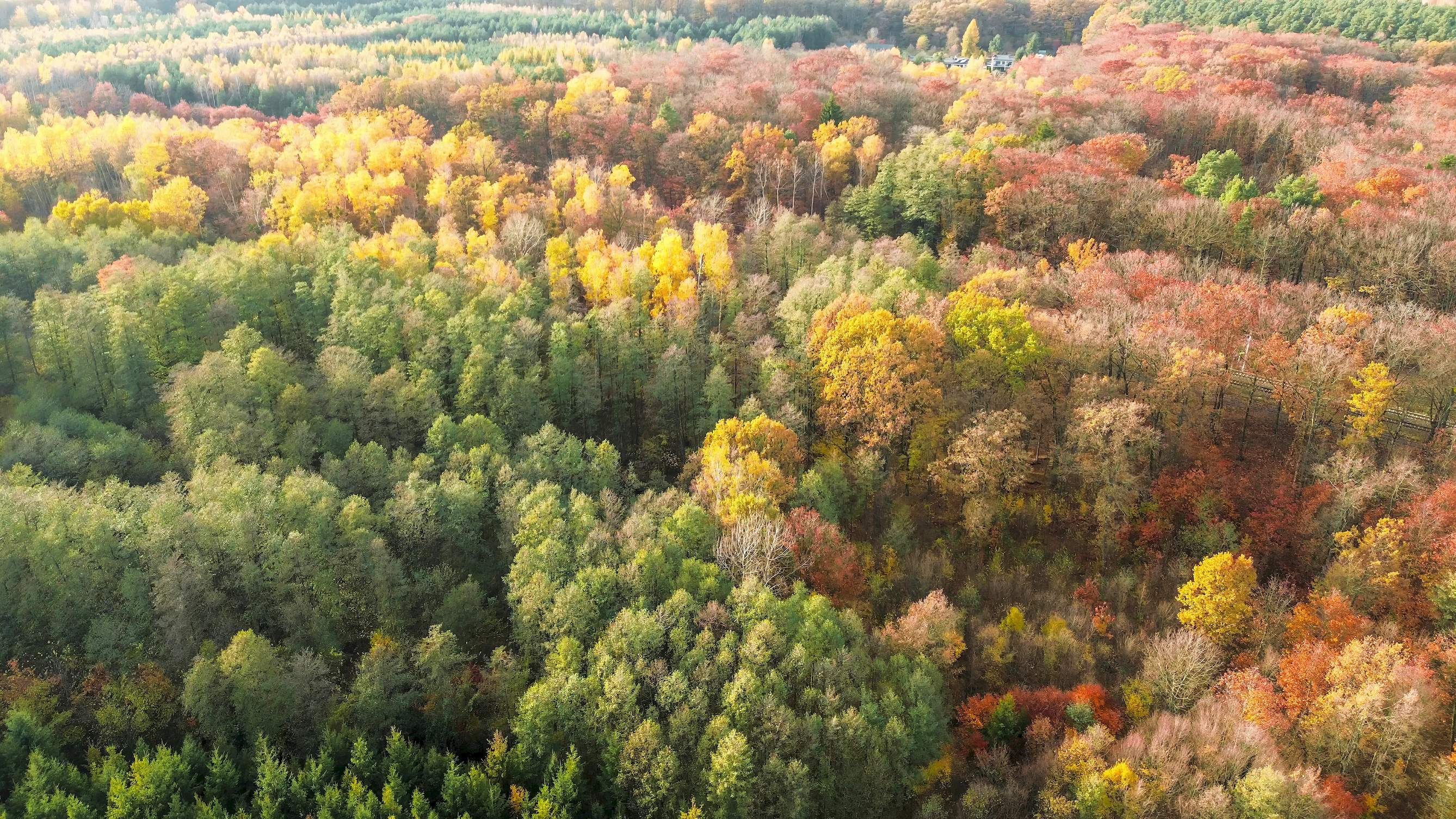
Different tree species create a layered canopy, understory, and forest floor. This variety of spaces supports wildlife with different needs.
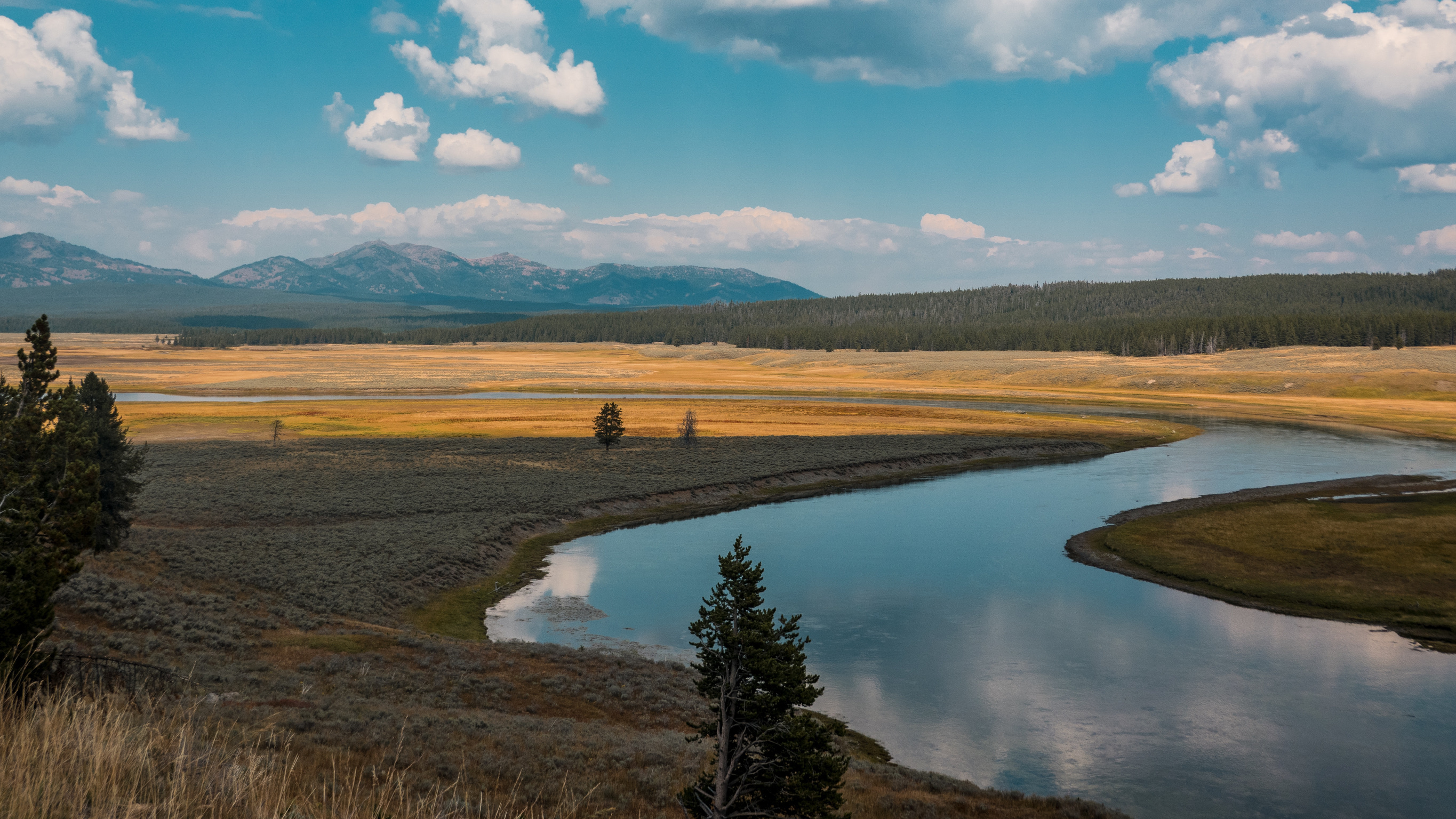
Open skies and deep-rooted grasses define this landscape. Seasonal rain and fire help shape the plant communities that grazing animals rely on.
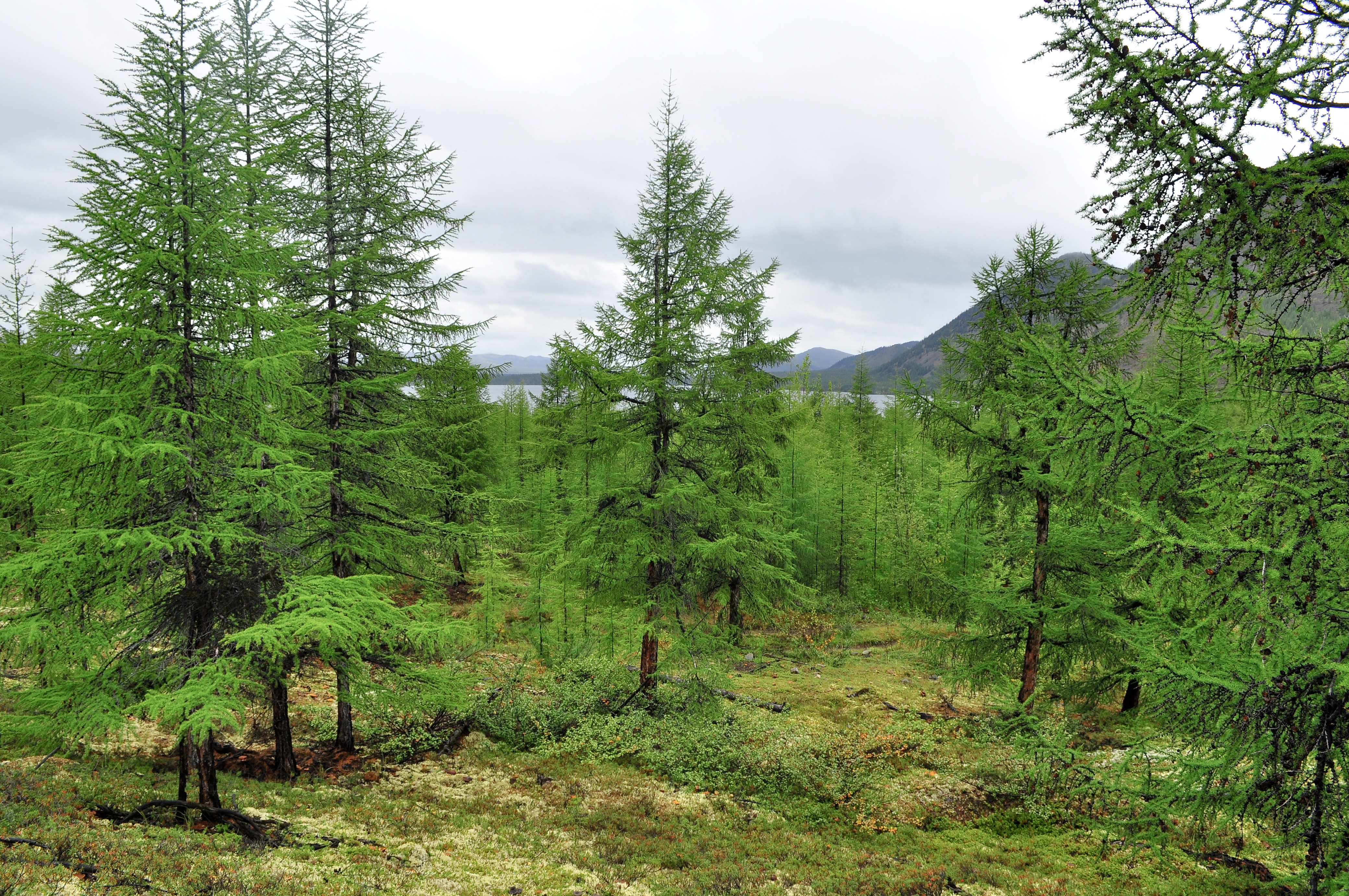
Long winters and short growing seasons shape these northern forests. Evergreen trees and hardy wildlife are adapted to the cold.
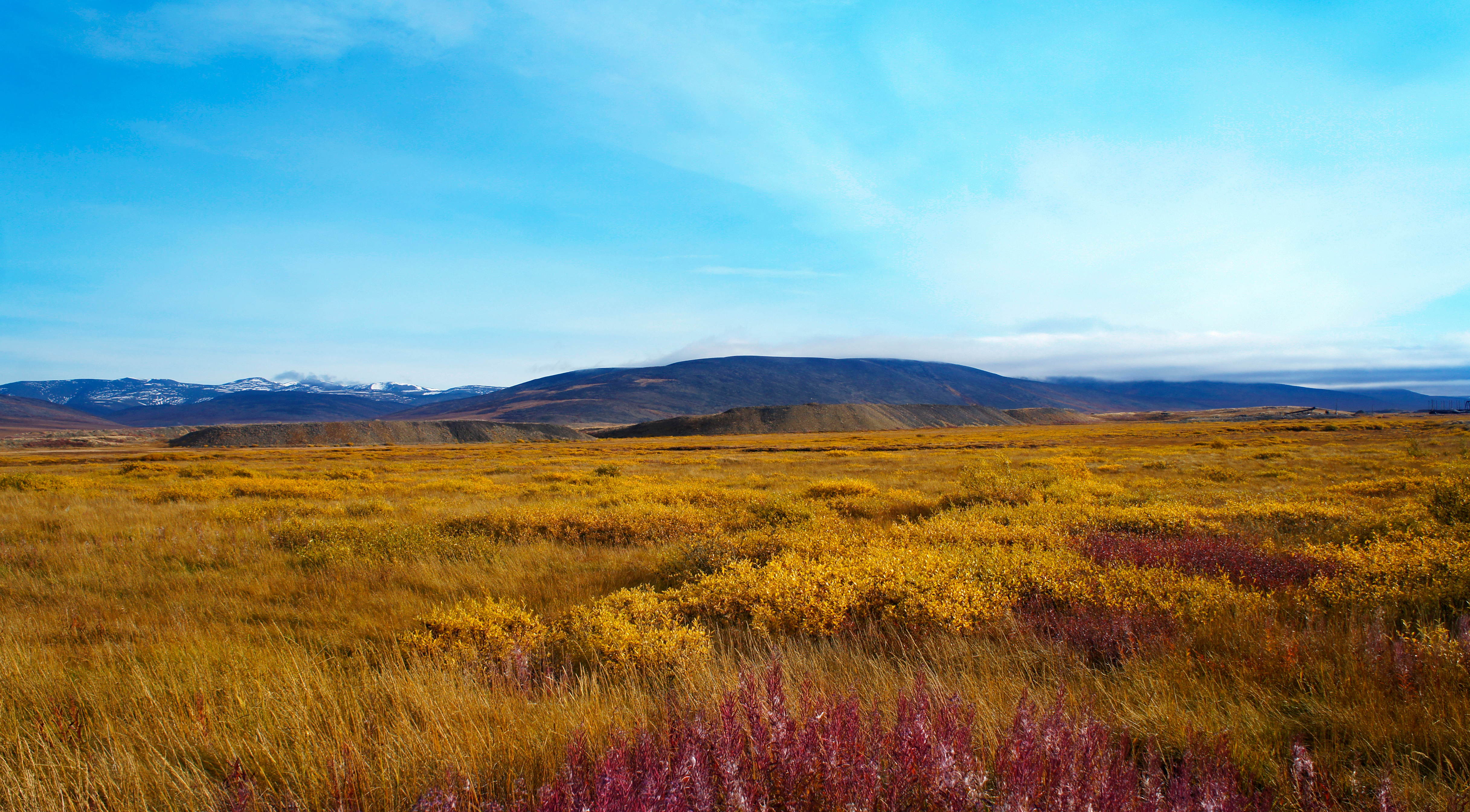
Cold temperatures and a short growing season favor low-growing plants. In summer, the brief burst of growth provides food for migrating animals.
Beyond the Americas
A continent of varied habitats, including tropical forests, savannas, deserts, and Mediterranean ecosystems.
From boreal forests and high mountains to tropical islands, Asia holds an extraordinary range of climates and wildlife.
Woodlands, wetlands, grasslands, and coastal habitats support wildlife across densely connected landscapes.
Island ecosystems, reefs, and the varied landscapes of Australia and the Pacific are home to many unique species.
Ice, ocean, and seasonal sea ice shape a polar ecosystem where many species depend on the surrounding Southern Ocean.